How Weather Conditions Affect Asphalt Cracks and Potholes
People seeking asphalt crack and pothole repair often want durable fixes, and local contractors can effectively address how weather conditions impact these damages.
Understanding how weather conditions affect asphalt cracks and potholes is essential for property owners seeking to maintain safe and durable surfaces. Fluctuations in temperature, moisture levels, and precipitation can cause asphalt to expand, contract, and weaken over time, leading to cracks and potholes that may worsen if left unaddressed. Recognizing these weather-related impacts can help property owners anticipate potential issues and take proactive steps to protect their pavements, especially in areas where seasonal changes are pronounced. Local contractors experienced in asphalt repair can assess the specific effects of weather on a property's surfaces and recommend appropriate solutions to prevent further damage.
Exploring how weather conditions affect asphalt cracks and potholes highlights the importance of timely maintenance and repairs. When weather causes asphalt to crack or develop potholes, it not only affects the appearance but can also pose safety hazards and increase long-term repair costs. Property owners who understand these weather-related factors may find it easier to prioritize repairs and choose the right service providers to restore pavement integrity. Local service providers that specialize in asphalt crack and pothole repair are equipped to address weather-induced damage, helping property owners preserve the value and safety of their paved surfaces.
- Asphalt crack and pothole repair services are often needed after extreme weather causes pavement deterioration, with local contractors addressing issues promptly to prevent further damage. - When temperature fluctuations lead to expansion and contraction of asphalt, local pros can assess and repair cracks and potholes to maintain surface integrity. - Heavy rain and moisture infiltration can weaken asphalt, prompting local service providers to perform repairs that prevent water from causing more extensive damage. - Freezing and thawing cycles typically result in cracks and potholes, with local contractors specializing in timely repairs to restore safe driving surfaces. - Seasonal weather changes can accelerate asphalt deterioration, making it important for local pros to evaluate and repair cracks and potholes before issues worsen.
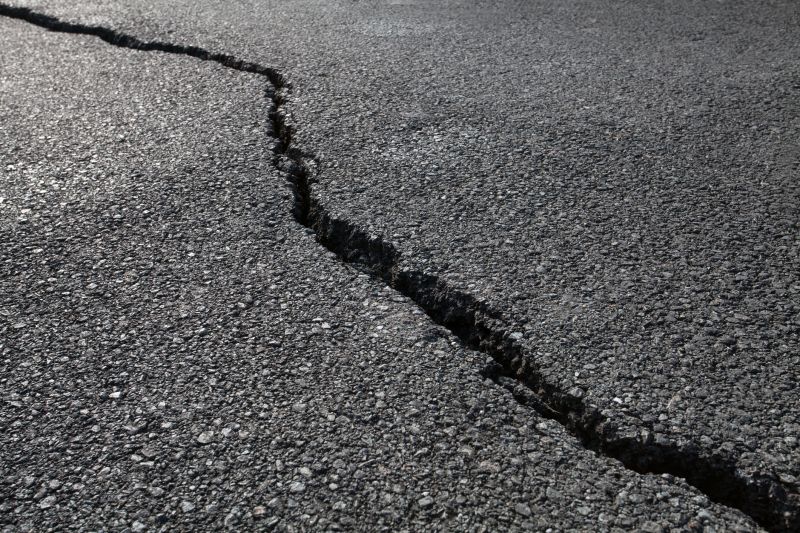
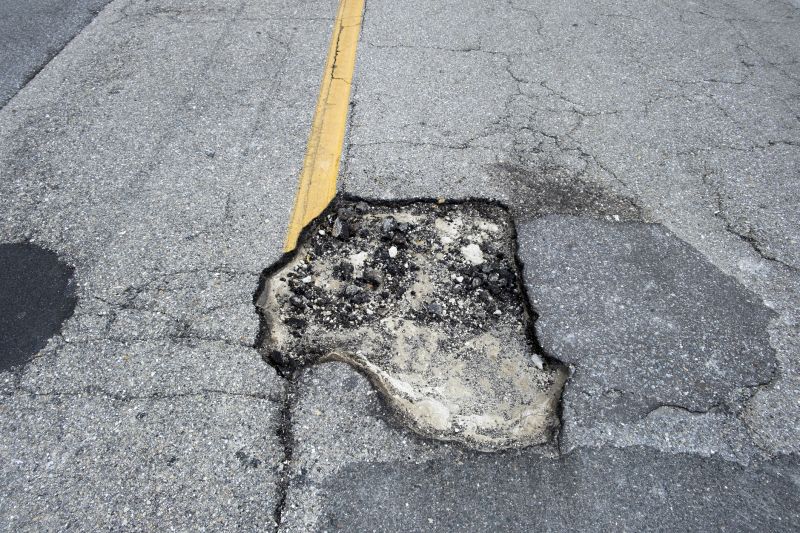
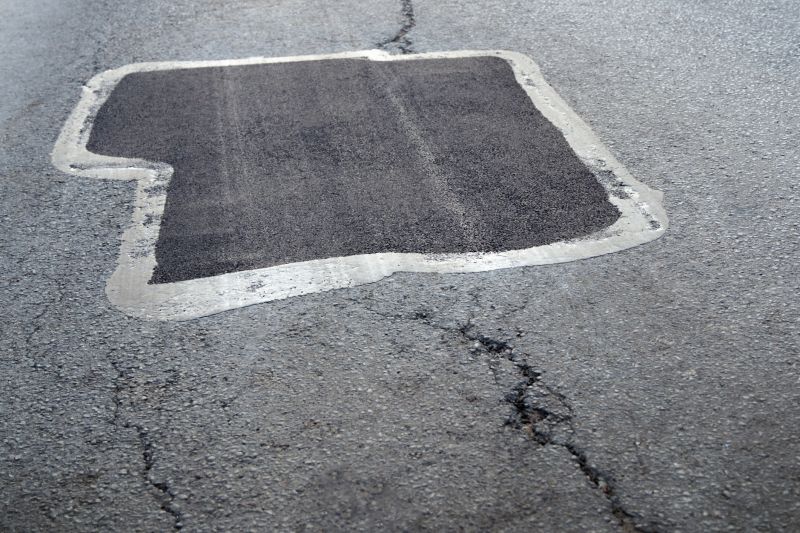
Understanding how weather conditions affect asphalt cracks and potholes is essential for homeowners seeking long-lasting pavement. When searching for this topic, many people are interested in how seasonal changes, temperature fluctuations, and moisture levels contribute to the deterioration of their asphalt surfaces. This knowledge helps property owners anticipate potential problems and plan maintenance or repairs accordingly. Recognizing the impact of weather on asphalt can prevent minor issues from turning into costly repairs, making it a common concern for those with driveways, parking lots, or private roads.
The problems related to weather conditions and asphalt deterioration often involve cracks forming and potholes developing over time. Extreme temperature swings cause asphalt to expand and contract, weakening its structure. Moisture from rain, snow, or humidity seeps into existing cracks, leading to further erosion and the formation of potholes. Property owners may also be planning preventative measures or seeking repairs to address existing damage caused by weather-related stress. Understanding these dynamics helps homeowners prioritize repairs and choose appropriate solutions to maintain the integrity of their pavement.
Properties most affected by weather-induced asphalt issues typically include residential driveways, commercial parking lots, and community streets. These surfaces are exposed to daily traffic and environmental elements, making them vulnerable to weather-related wear and tear. Driveways with older or poorly maintained asphalt are especially prone to cracking and potholes after harsh weather cycles. Commercial properties and public spaces often face higher costs and inconvenience when weather conditions accelerate pavement deterioration. Local contractors specializing in asphalt repair can assess these properties, identify weather-related damage, and recommend effective repair strategies to restore and protect the pavement.
For homeowners, understanding how weather conditions influence asphalt cracks and potholes connects directly to planning maintenance and repairs. When local service providers are engaged, they can evaluate how seasonal changes have impacted a specific property’s pavement and suggest tailored solutions. Whether it’s sealing cracks before winter or filling potholes after heavy rain, these professionals help ensure that weather-related damage is addressed promptly and effectively. Recognizing the role weather plays in asphalt deterioration highlights the importance of regular inspections and timely repairs, which can extend the lifespan of the pavement and improve safety and appearance.
Paving and resurfacing projects - local contractors specializing in paving often address issues caused by weather conditions that lead to asphalt cracks and potholes, ensuring durable surfaces.
Concrete repair services - similar skills are used in fixing surface damages influenced by temperature fluctuations and moisture, making them relevant for asphalt repair needs.
Drainage system installations - proper drainage helps prevent water accumulation that can accelerate asphalt deterioration, connecting to weather-related damage control.
Sealcoating services - applying protective sealants can reduce weather-related wear on asphalt surfaces, with local pros providing expertise in this preventive maintenance.
Driveway and parking lot maintenance - maintaining asphalt surfaces to withstand weather impacts involves planning and repairs that local service providers can perform.
Crack filling and patching projects - addressing existing cracks and potholes caused by weather cycles requires similar tools and planning used in other surface repair services.
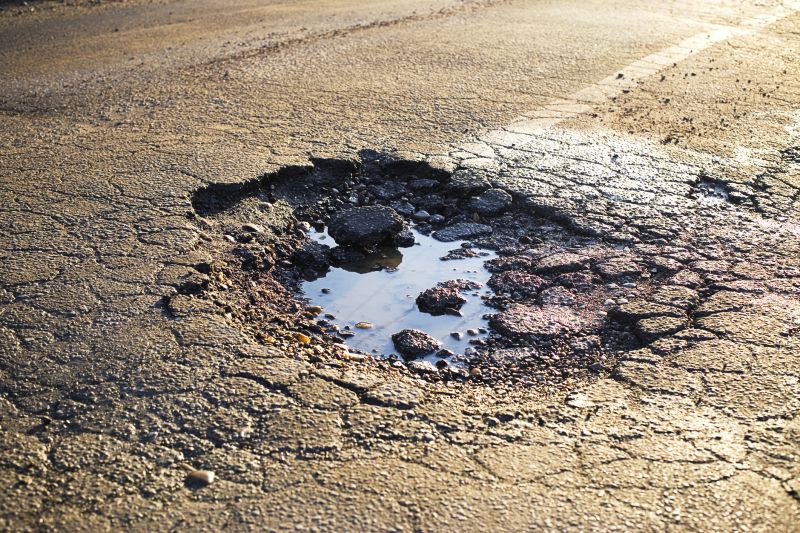
When comparing service providers for asphalt crack and pothole repair, it’s important to consider their experience with similar projects, especially those impacted by weather conditions. A contractor with a history of working on asphalt affected by temperature fluctuations, moisture, and seasonal changes will better understand how these factors influence the longevity of repairs. Homeowners should inquire about the types of weather-related challenges the contractor has encountered and how they have addressed them to ensure durable results. This experience can provide confidence that the chosen contractor is familiar with the specific conditions that cause asphalt cracks and potholes, leading to more effective repair solutions.
Clear written expectations are essential when evaluating local contractors for asphalt repair work. Homeowners should seek detailed explanations of the scope of work, including how weather conditions might affect the repair process and the materials used. Understanding what to expect in terms of preparation, application, and curing times can help prevent misunderstandings. A reputable service provider will be transparent about the limitations weather can impose and outline how they plan to manage these factors during the repair. This clarity allows homeowners to make informed decisions and ensures that the project aligns with their expectations for durability and quality.
Reputable references and good communication are key indicators of a dependable contractor. Homeowners are encouraged to ask for references from previous clients who had similar weather-related challenges with their asphalt. Speaking with past customers can reveal how well the contractor handled weather impacts and whether the repairs stood up over time. Additionally, effective communication-such as prompt responses and willingness to answer questions-helps establish a collaborative relationship. A contractor who maintains open lines of communication can better explain how weather conditions influence asphalt deterioration and repair strategies, ultimately leading to a smoother project experience and more satisfactory results.
Property owners often search for how weather conditions affect asphalt cracks and potholes when they are planning practical projects around their homes and businesses. Local pros provide Asphalt Cracks and Pothole Repair services for everyday jobs and straightforward project options.
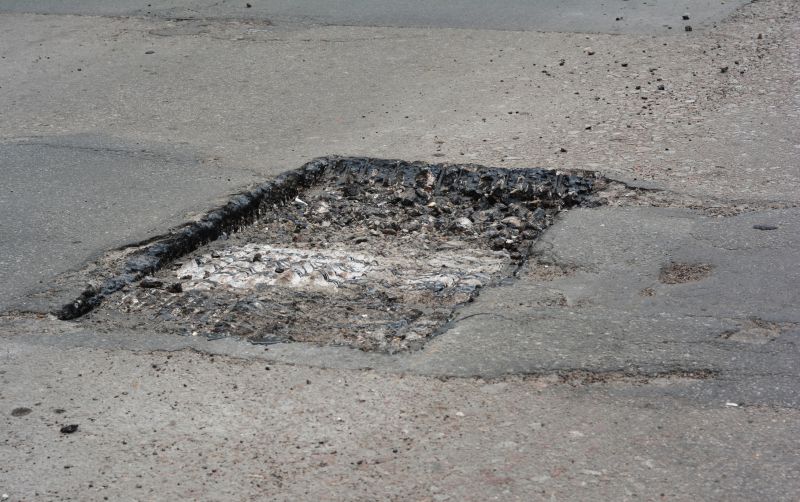
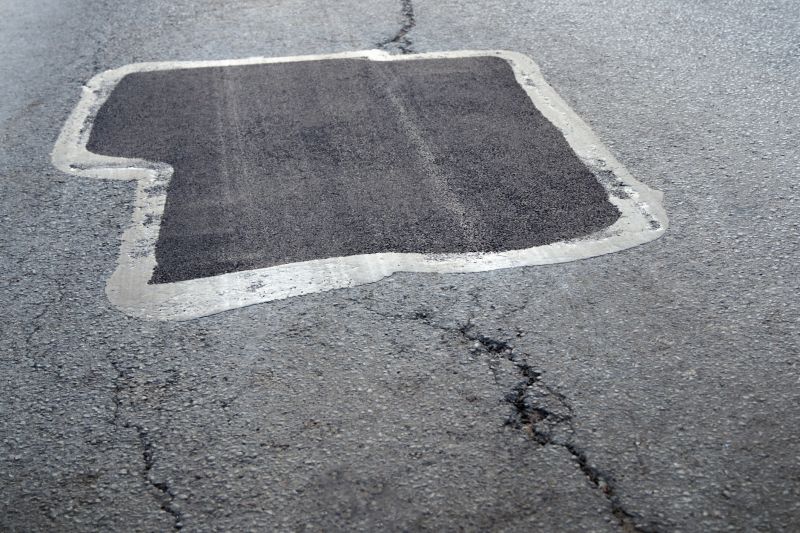
Weather conditions play a significant role in the development of asphalt cracks and potholes on driveways and parking lots. Fluctuations in temperature, especially repeated cycles of freezing and thawing, cause the asphalt to expand and contract. Over time, this movement can lead to the formation of cracks that may eventually develop into larger potholes if not addressed promptly. Additionally, heavy rain can weaken the asphalt surface and cause underlying soil to shift, further contributing to surface damage. Property owners noticing these issues might consider reaching out to local contractors who specialize in asphalt repair to help prevent further deterioration and maintain a smooth, safe surface.
Seasonal weather changes can accelerate the wear and tear of asphalt surfaces, making timely repairs essential. In regions with significant temperature swings or frequent storms, asphalt cracks and potholes tend to appear more quickly and worsen faster. Local service providers are equipped to evaluate the extent of damage caused by weather conditions and recommend appropriate repair solutions. Addressing these problems early can help property owners avoid more costly repairs down the line and keep their surfaces in good condition despite ongoing weather challenges.
How do temperature fluctuations contribute to asphalt cracks and potholes? Temperature changes cause asphalt to expand and contract, which can lead to the formation of cracks and the development of potholes. Local contractors can assess and repair damage caused by these temperature-related stresses.
In what way does moisture affect asphalt surfaces? Excess moisture can weaken asphalt by seeping into cracks and causing the material to break down, often resulting in potholes. Service providers can perform repairs to address damage linked to moisture infiltration.
How does freeze-thaw cycling impact asphalt integrity? Freeze-thaw cycles cause water in cracks to freeze and expand, worsening existing damage and creating new cracks or potholes. Local pros can help with repairs to mitigate the effects of these cycles.
Can weather conditions accelerate asphalt deterioration? Yes, harsh weather conditions like heavy rain, snow, and temperature extremes can speed up asphalt deterioration, making timely repairs essential. Local contractors are equipped to handle weather-related damage repairs.
What role do seasonal changes play in asphalt crack and pothole formation? Seasonal changes, especially transitioning between warm and cold, contribute to asphalt's expansion and contraction, increasing the likelihood of cracks and potholes. Service providers can evaluate and repair damage caused by these seasonal shifts.
Seasonal temperature changes - property owners can plan for asphalt repairs before extreme temperature shifts to prevent further cracking and potholes.
Moisture levels - understanding how rain and snow affect asphalt can help in scheduling timely sealcoating with local contractors.
Freeze-thaw cycles - recognizing the impact of repeated freezing and thawing can guide proactive repairs to minimize damage over time.
Weather monitoring - staying aware of upcoming weather conditions allows property owners to coordinate with local service providers for effective asphalt maintenance.
If you are thinking about how weather conditions affect asphalt cracks and potholes for a property, this guide is meant to help you understand this topic, the typical project types, and how different options might fit your plans.
When you are ready, you can use the quote form on this page to share a few details about your project. From there, local pros can review the basics and follow up with options that match what you have in mind.